Introduction

WorldShaper is a new community-made Magic: The Gathering format which allows players to build decks using their favourite old Standard cards. Cards from in-universe Standard sets (2013-present) are legal, but with the unique rule that decks are restricted to only include cards from a single world (e.g. Tarkir, Ravnica II, etc.).
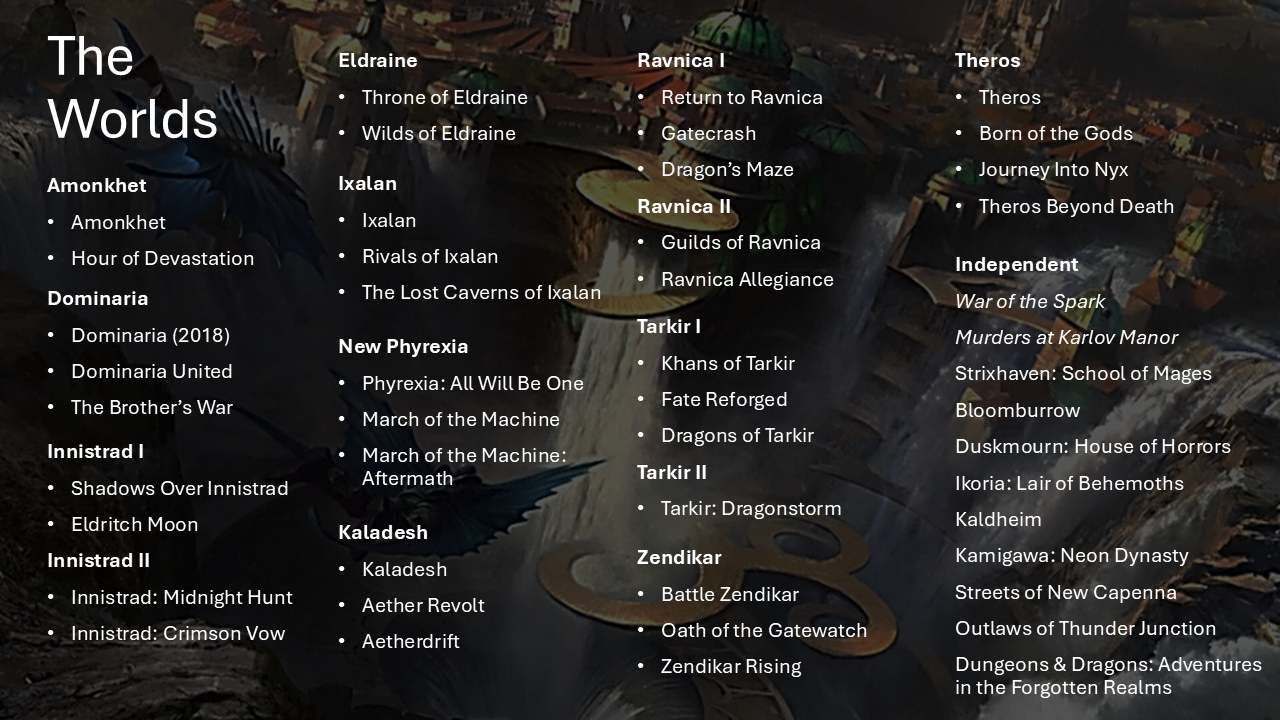
An overview of the Worlds is found below (click here).


WorldShaper is a non-rotating 60-card constructed format with a 15 card sideboard.
Each WorldShaper deck must be built only with cards from a single world - for example:
Tarkir (Khans of Tarkir, Fate Reforged, Dragons of Tarkir, Tarkir: Dragonstorm)
Ravnica II (Return to Ravnica, Gatecrash, Dragon's Maze, Guilds of Ravnica, Ravnica Allegiance).

Concept - Restricting decks to only contain cards from a single world encourages players to explore the unique themes and mechanics of each world, rather than relying on a broad selection of cards from multiple sets. It furthermore prevents decks that abuse cross-world synergies - allowing for a more focused and thematic gameplay experience.

Core set slots - To balance the powerlevel between worlds, each world is given a certain number of Core set slots. A Core set slot allows a deck to use that many cards from the Core sets, ranging from M13 to Magic Foundations. In the case of building a Innistrad II world deck with 12 Core set slots, you could use up to 12 cards from the Core sets to make it more viable. Since the Core sets are designed to act like glue for the normal Standard sets, they are perfect for helping shore up any weaknesses and gaps in a world's card pool.

Banning and restricting - Should a single card or deck be considered too strong for the format, cards can be banned or restricted in the same way as other formats. Restricting the card to fewer copies is the preferred over outright banning cards, as one avoids banning an entire archetype from seeing play, while still lowering the decks overall power level. Cards from Core sets can be banned in specifically the world that they cause problems in, while still being legal in other worlds. There will be a focus on keeping the format free of meta-warping decks, especially fast combo decks. If such a deck should emerge, it will be promptly banned.

Worlds
Worlds Overview
Open on Scryfall
Tarkir
  • Khans of Tarkir
  • Fate Reforged
  • Dragons of Tarkir
  • Tarkir: Dragonstorm
  • Core set slots - 0
Banned and Restricted
  • 3 copies - Dig Through Time
Coresets
Open on Scryfall
  • Magic 2014
  • Magic 2015
  • Magic Origins
Banned Coreset cards
  • Crucible of Worlds
  • Urborg, Tomb of Yawgmoth
Details
The Problem with Constructed

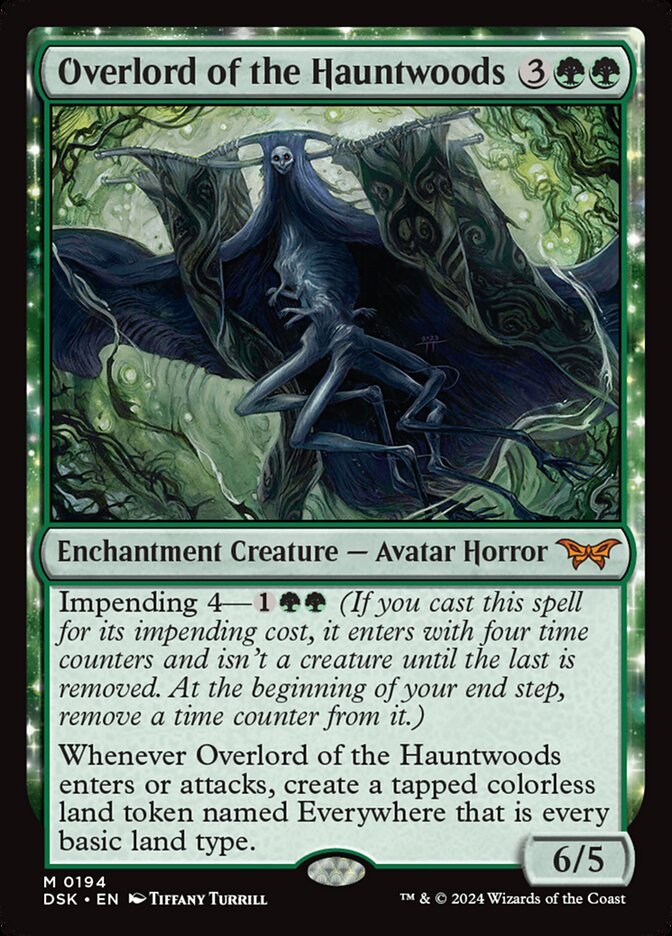
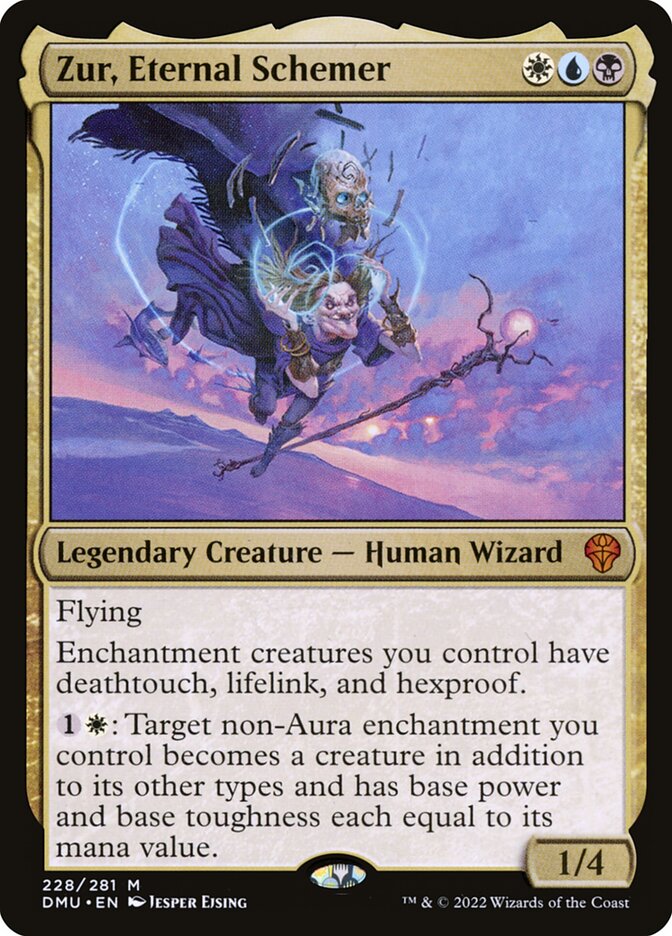
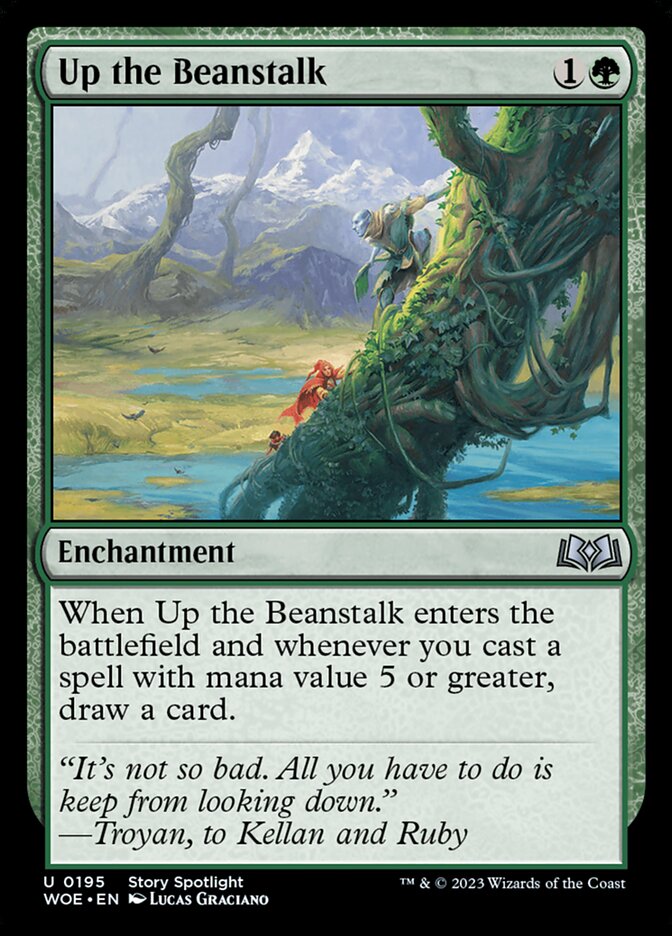
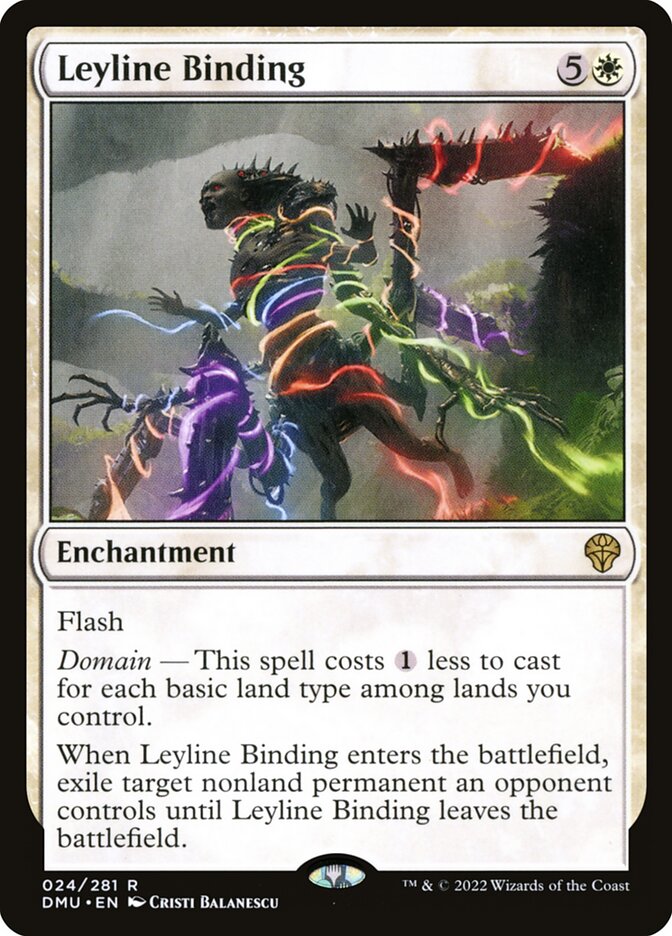
The essence of WorldShaper is that it avoids the biggest problem in Standard, Pioneer, and Modern — decks can include cards from every legal set allowed in that format. This opens the door for decks to mix mechanics that were designed seperately, enabling strategies that abuse these mechanics to dominate the meta. This has happened in almost all metas in both Standard, Pioneer and Modern. Take, for example, the top deck from Pro Tour Aetherdrift: Domain Overlords - playing these key cards:

Together with the red-based mice deck, this deck dominated the Pro Tour by simply - abusing mechanics that were not intended to mix well together.

These mechanic-abusing decks are not necessarily the problem as they can be fun to play. The problem is the fact that these decks push out the majority of other archetypes from being playable. There really is no reason to play an Impending or Domain themed deck, when this deck utilizes those very cards better.

Standard consists an average of around 15 sets at any given time. If each set supports 5 archetypes, it means that Standard has around 75 archetypes, e.g.: Bloomburrow Squirrels, Duskmourn Manifest Dread or Aetherdrift Exhaust.
With a deck like Domain Overlords in Standard, close to none these archetypes are able to exist in the meta - as they are simply outclassed by these stronger decks. This has been the case for pretty much every single Standard & Pioneer meta so far.


Allowing decks to draw from multiple sets also eliminates the variety of each archetype - e.g. Red aggro. In Standard and Pioneer, the strongest version of the Red deck simply combines the best red cards from all sets, even though each set offers its own unique theme. Once sets are mixed, these distinct versions are replaced by a single, more powerful Red-based deck. The same holds true for almost every archetype, from blue-based control to green stompy and black midrange, to name a few.

An example of this can be seen when picking a black 4-drop for a black-based deck (see below). There are many options to choose from (see here), and they each represent a distinct playstyle. However, since Sheoldred, The Apocalypse is best in the majority of cases, it is the only one that sees play in the meta, while the others are never used. This is a problem, as it eliminates the variety of decks that could be played, and makes the format less interesting. Beyond this it also drives up the price of these cards, while making it disadvantageous to use the other cards even though they are thematically interesting and fun to play.

Summary

The WorldShaper format plays like a cross between Pioneer and Block Constructed in that:

  • Like Block Constructed, each deck is built from a limited design space - allowing each worlds archetypes and variants of common strategies to emerge.
  • Like Pioneer, the total card pool is large - avoiding Block's biggest downside of having very few viable decks and therefore a solved format.

Notice that there exists worlds which are named e.g. Ravnica II, Ravnica III etc. Mixing too many sets together, e.g. one big Ravnica world, relaxes the limitation imposed by the small card pools and set mechanics. If mixing e.g. Ravnica II and Ravnica III, decks can mix mechanics that were not designed together and opens the door for decks that can abuse this. Furthermore, Ravnica I is not present on the Worlds Overview. It represents the original Ravnica block with the sets Ravnica: City of Guilds, Guildpact and Dissension. Currently the WorldShaper format includes only cards from 2013 and onwards like Pioneer, only without Universes Beyond sets. The long term plan is to be able to include sets from further back e.g. the Innistrad block, Scars of Mirrodin block etc.

Overall, the WorldShaper format encourages players to explore the unique themes and mechanics of each world, leading to a diverse and engaging gameplay experience.